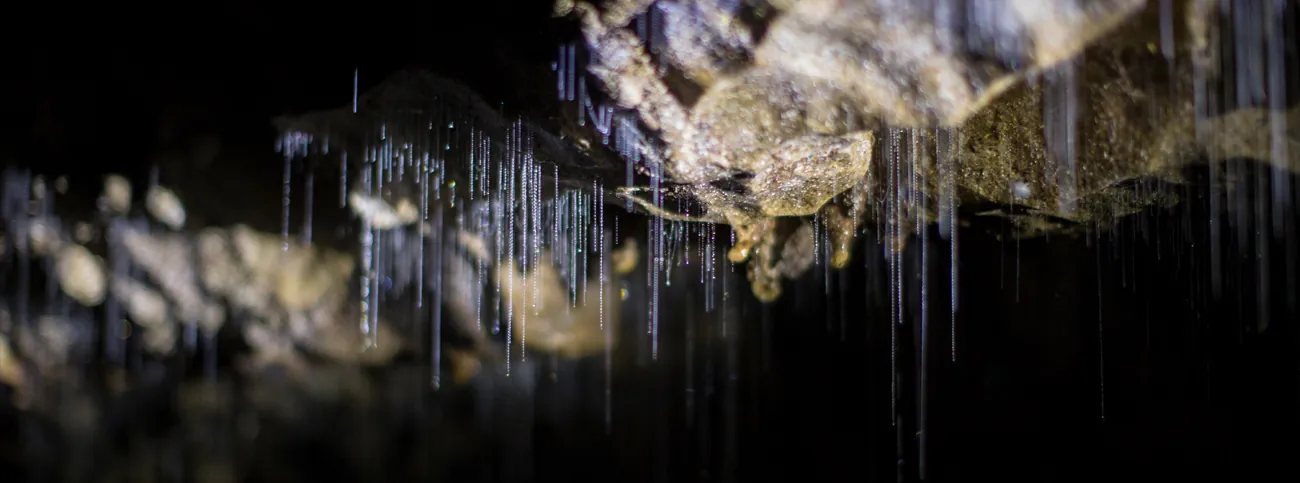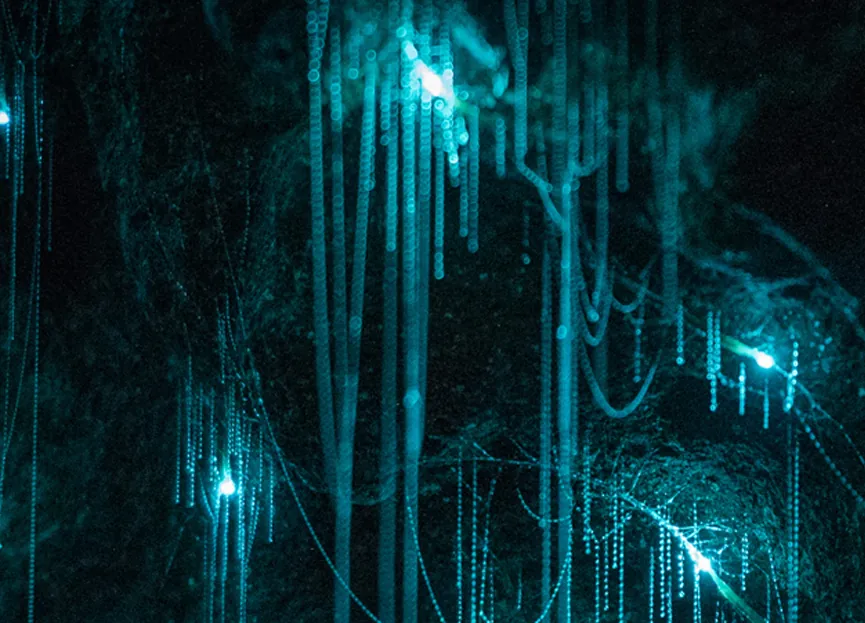
Glowworm
Understand how anthropogenic threats are having lasting effects on the health and population of New Zealand's endemic glowworm species.
Find out more
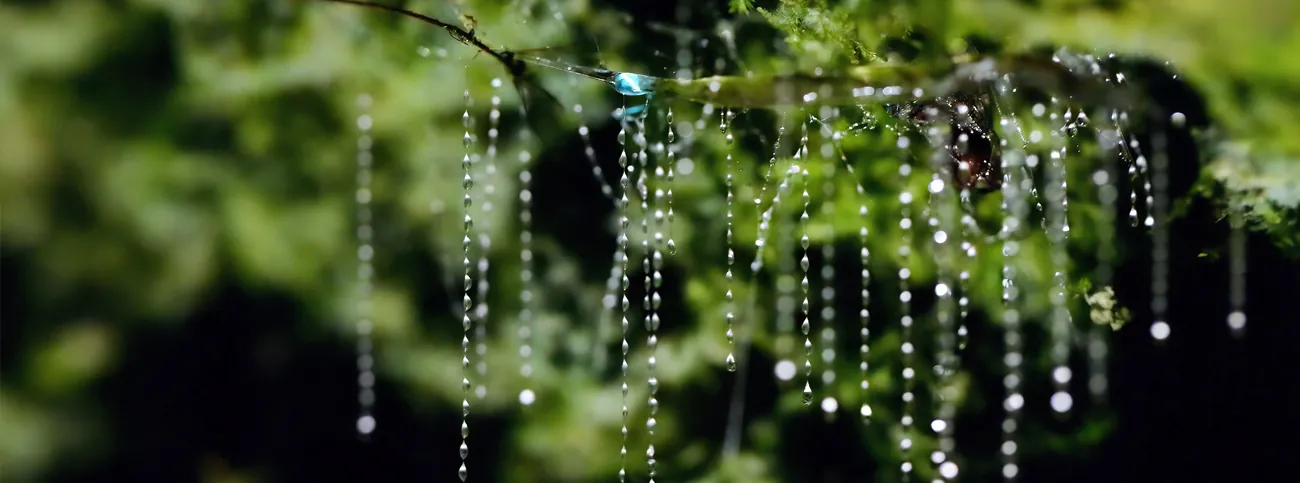
Understand how anthropogenic threats are having lasting effects on the health and population of New Zealand's endemic glowworm species.
Find out more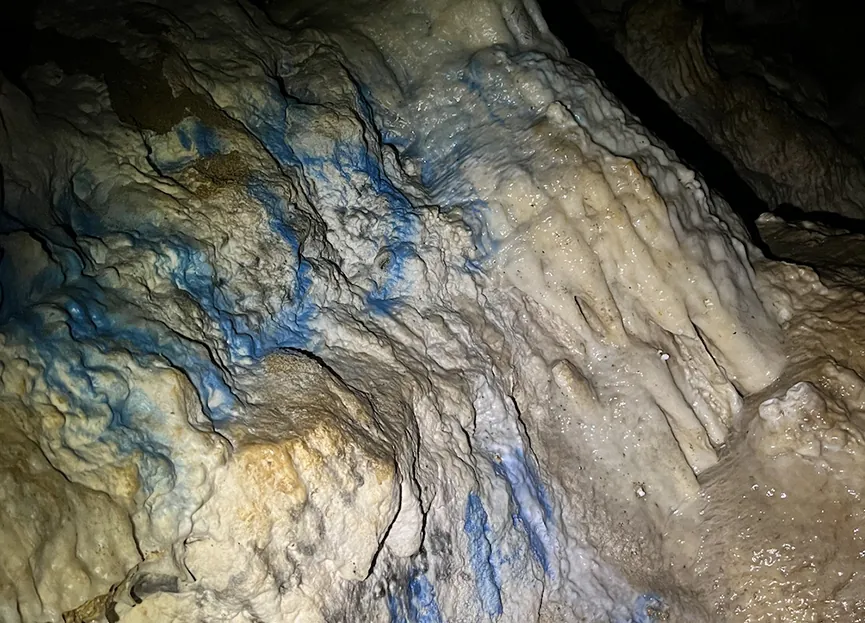
See how human encroachment and visitation is leaving irreparable damage to New Zealand's delicate karst caves and their ecosystems.
Find out more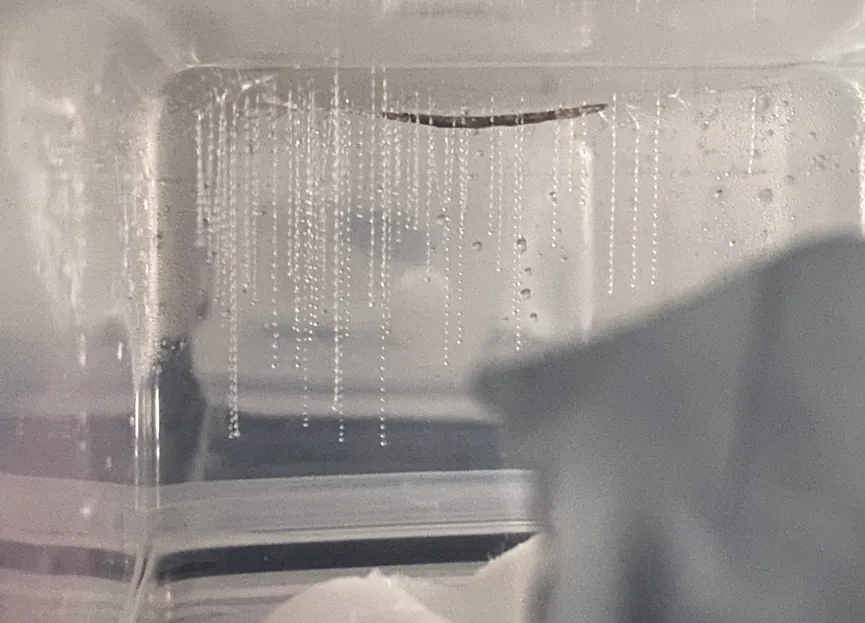
Learn how The Glowworm Project's research program is finding solutions to safeguard the future of the iconic New Zealand glowworm.
Find out more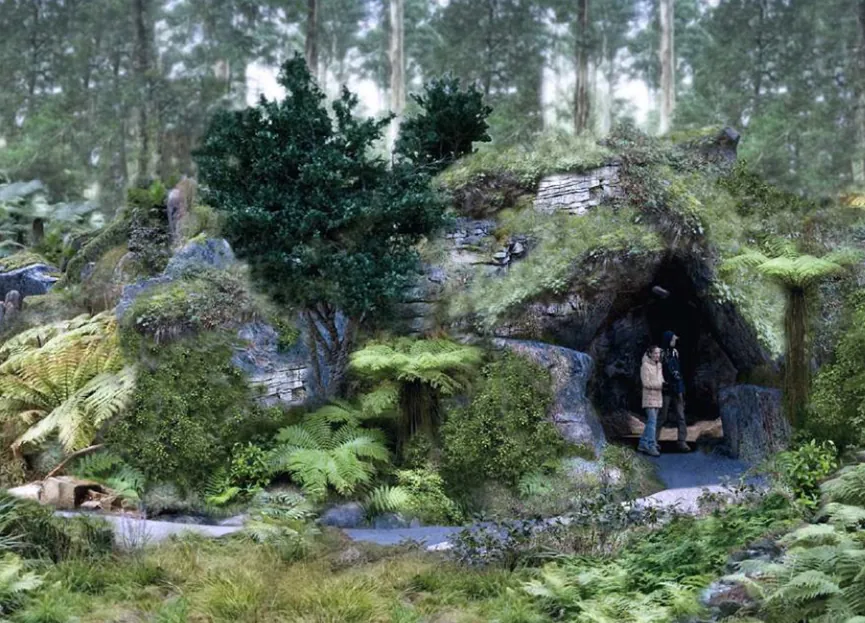
Step inside the Eco-Cave, a sustainable alternative for natural cave tourism with the aim of alleviating pressure from delicate cave environments and ecosystems.
Find out more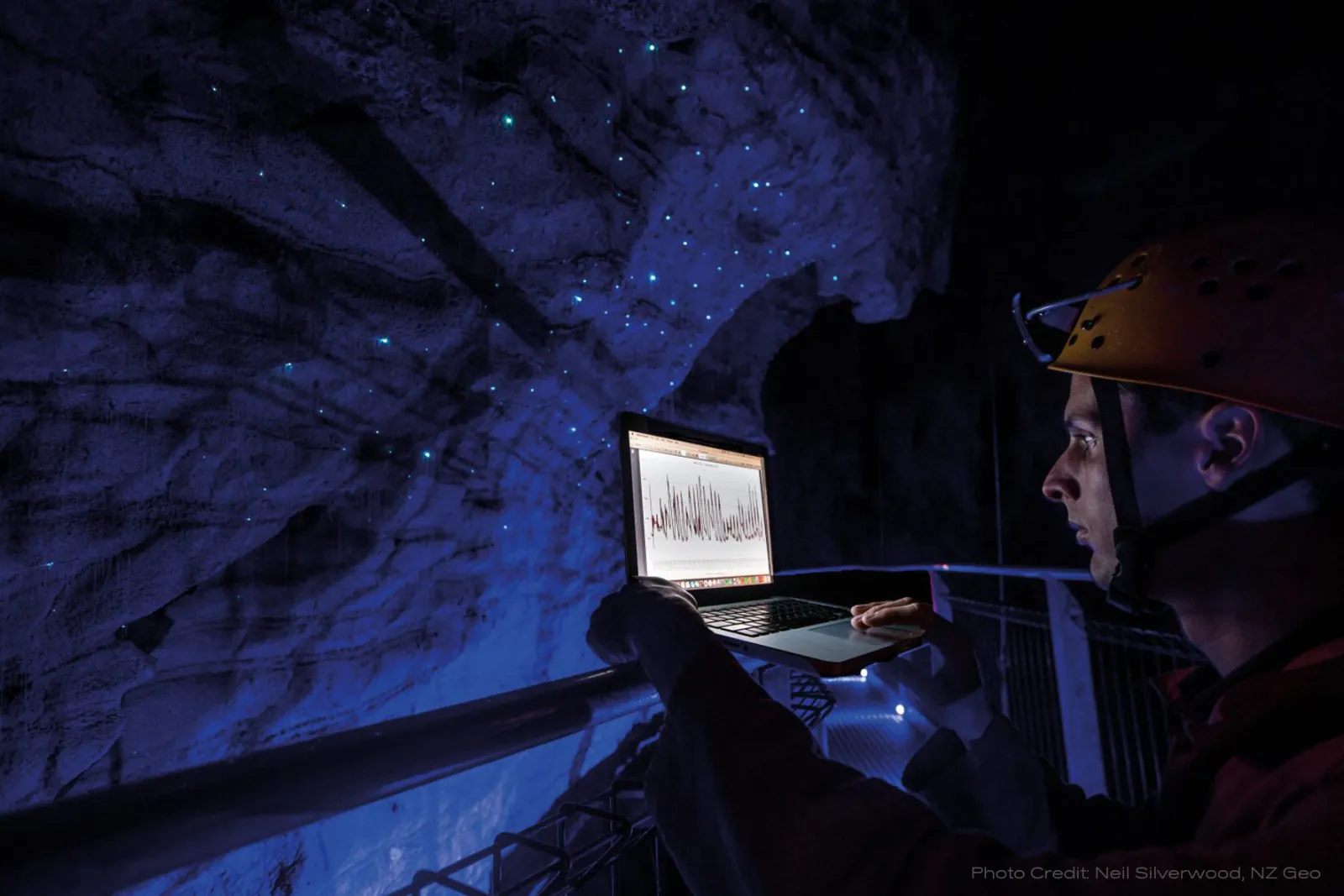
Caves host a unique geo-ecosystem, as a result of their stable environmental conditions, the absence of strong seasonal modifications as well as permanent darkness. A cave's unique and remote environment will host species of fauna and flora not found or able to survive in alternative environments. Thus, a cave's ecosystem is extremely fragile to influence from the outside world. After hundreds and thousands of years of preservation, opening a cave for exploration can significantly impact the ecosystem within.
Find out moreThe more people in the cave at any one time, the higher the concentration of carbon dioxide in the atmosphere, and of course that's a key facet of the physical environment of the cave and it affects the cave's environment as well as the ecosystems within the cave.
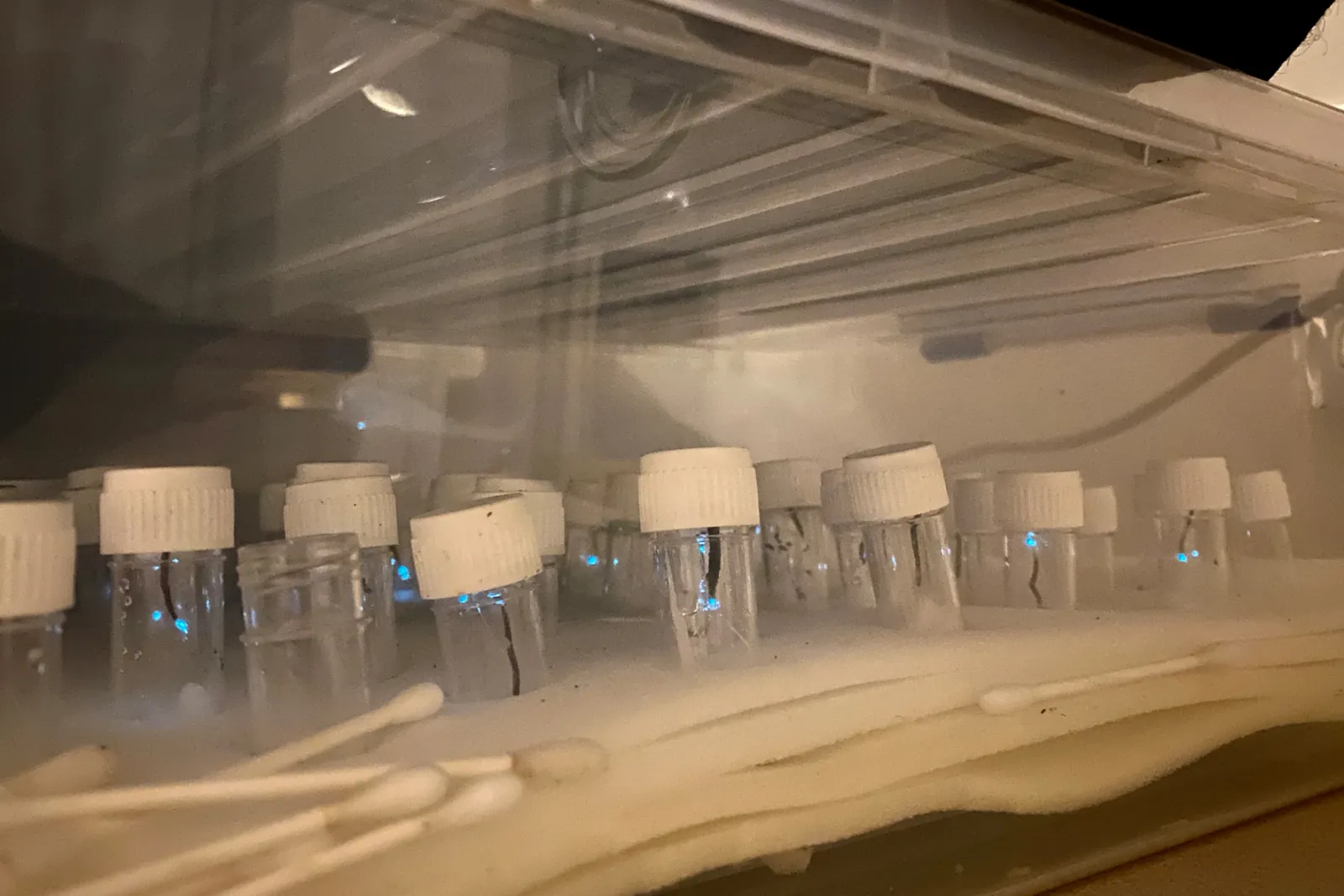
Since 2020 our team have worked to understand the vulnerabilities of the glowworm's life cycle, being a species largely reliant on precise environmental conditions and susceptible to changes within both their environment and ecosystem.
Our research has focused on safeguarding the species by understanding both natural and anthropogenic threats, as well as finding a solution to alleviate visitation pressure from natural ecosystems.
Find out moreGlowworm numbers have dropped three-quarters from 2001 to 2018, and the climate crisis seems to be the main reason.


“Despite the importance of caves as natural resources and their great sensitivity to damage, little or no legislation is in place to protect them”
Read article (opens in new tab)
“He said this was not isolated, and had happened over the last few years”
Read article (opens in new tab)
“Small caves and those hosting cave fauna, such as glowworms, are particularly vulnerable”
Read article (opens in new tab)
“Hundreds of thousands of years' worth of damage”
Read article (opens in new tab)
“...one or two problems a week and that included people carving names into the limestone”
Read article (opens in new tab)
“This stresses the glow-worms and, over time, corrodes the limestone features which take hundreds of thousands of years to develop”
Read article (opens in new tab)