Sustainability
The Eco-Cave Project
Connecting people with nature, without depletion
The Eco-Cave is inspired by globally celebrated sustainable institutions that work to protect the natural world, including the Lascaux and Chauvet caves in France, Altamira Cave in Spain, the Svalbard Global Seed Vault in Norway and the United Kingdom's Eden Project.
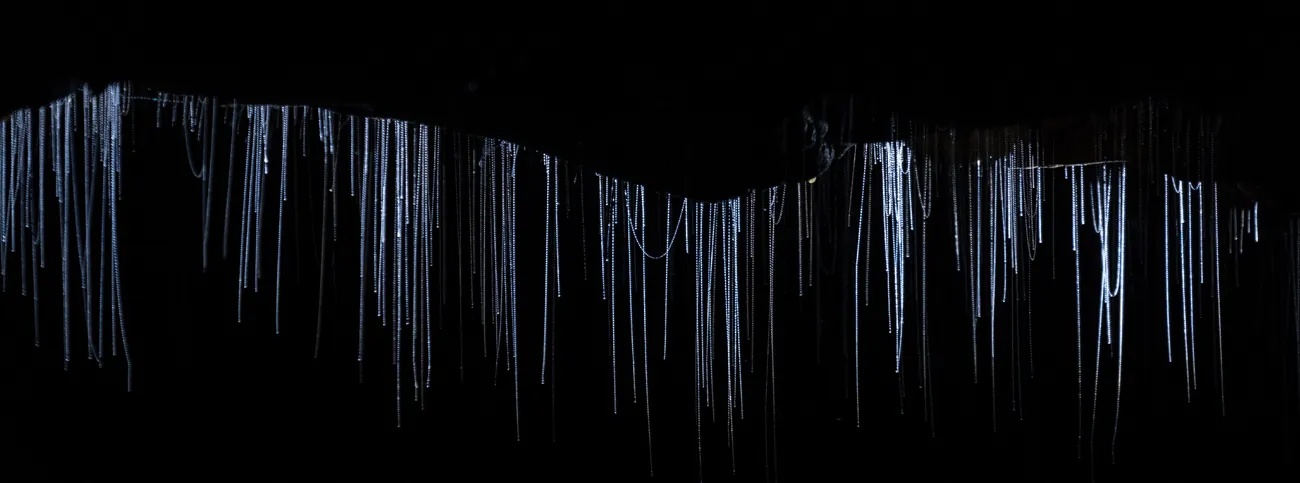
Like these establishments, the Eco-Cave lets people connect with the natural world without causing depletion. Visitors will experience the glowworm's bioluminescence without causing irreversible damage to colony health, the surrounding ecosystem or the wider environment.
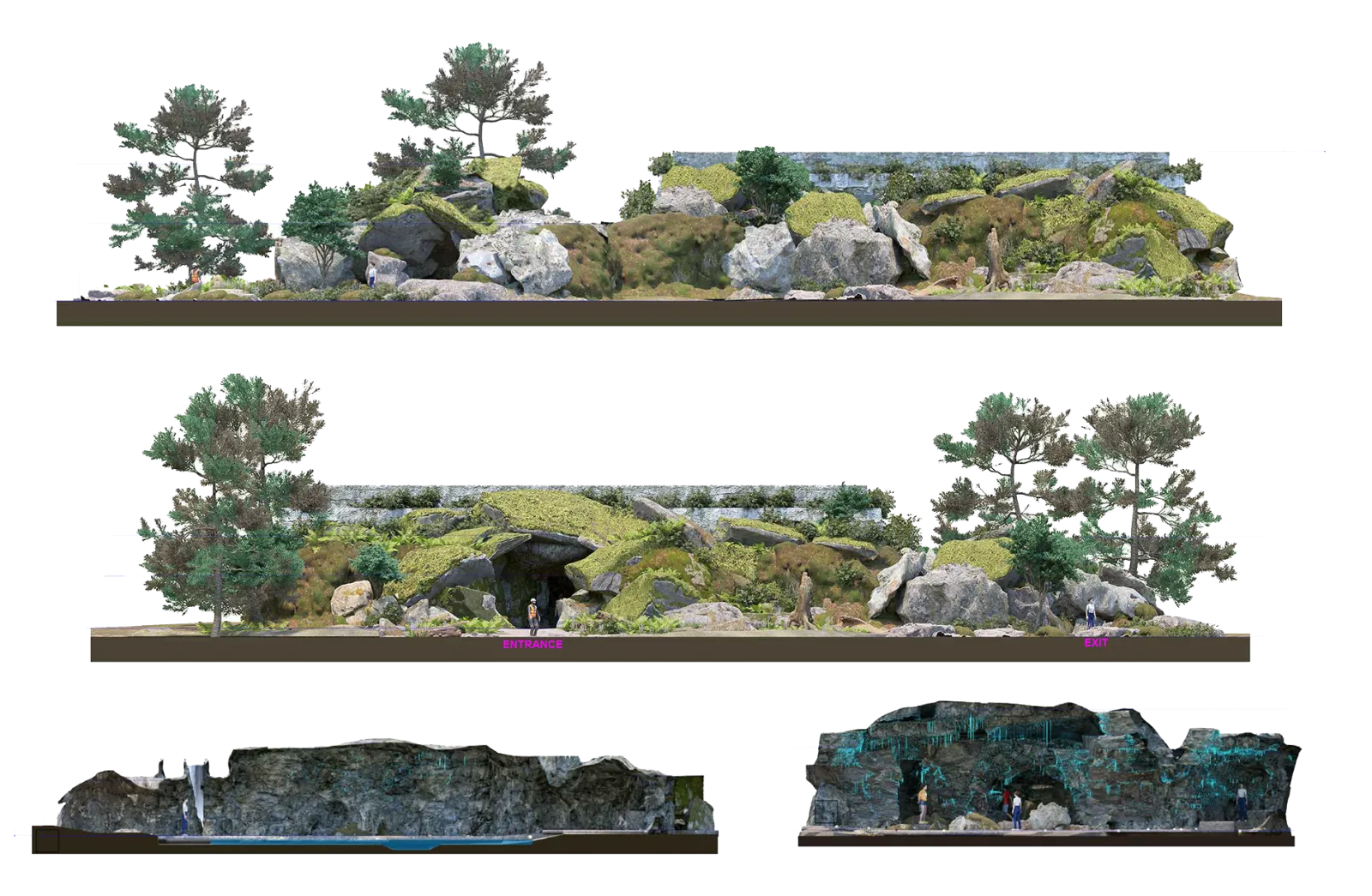
The glowworm is extremely sensitive to environmental change, needing very particular humidity, permeability, moisture and climate. The Eco-Cave allows controlled environmental variation to emulate those precise habitat requirements, providing a safe haven against rapid habitat change and the pressures of an expanding human population.
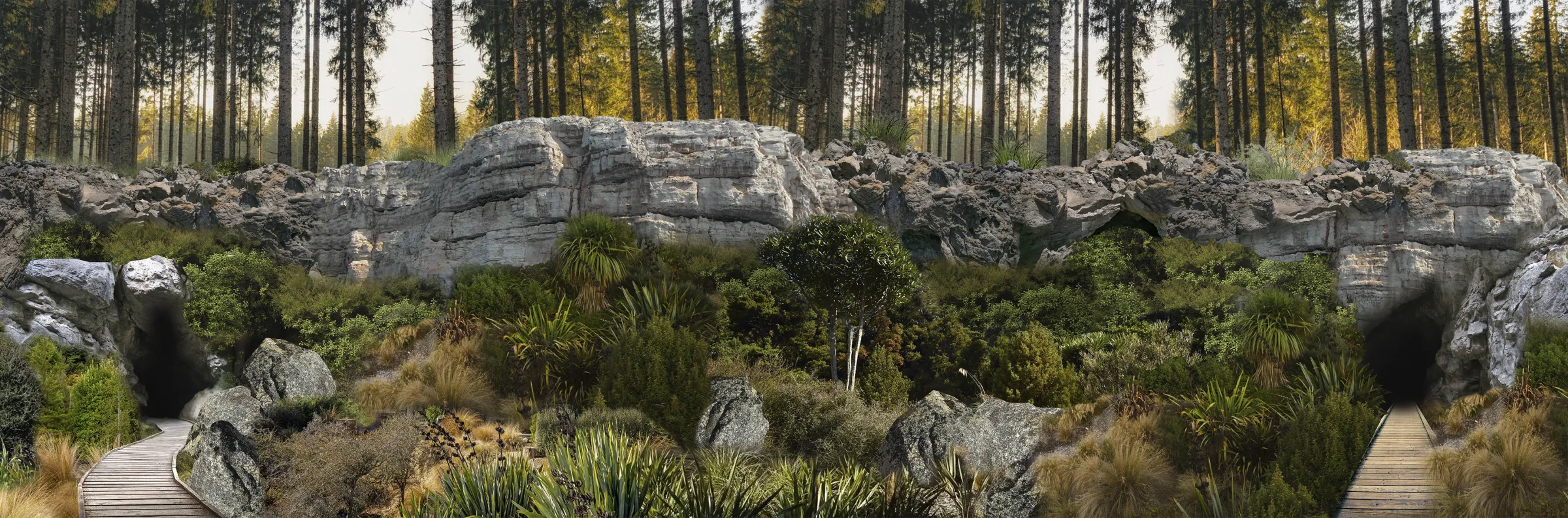
The design uses natural materials found locally, including natural rock fall and fauna, to minimise impact on the existing landscape. The existing stream will be fed through the Eco-Cave to encourage a natural food chain.
After five years of research, The Glowworm Project aims for the Eco-Cave to be seen as both nationally iconic and globally transformative when it opens to the public.
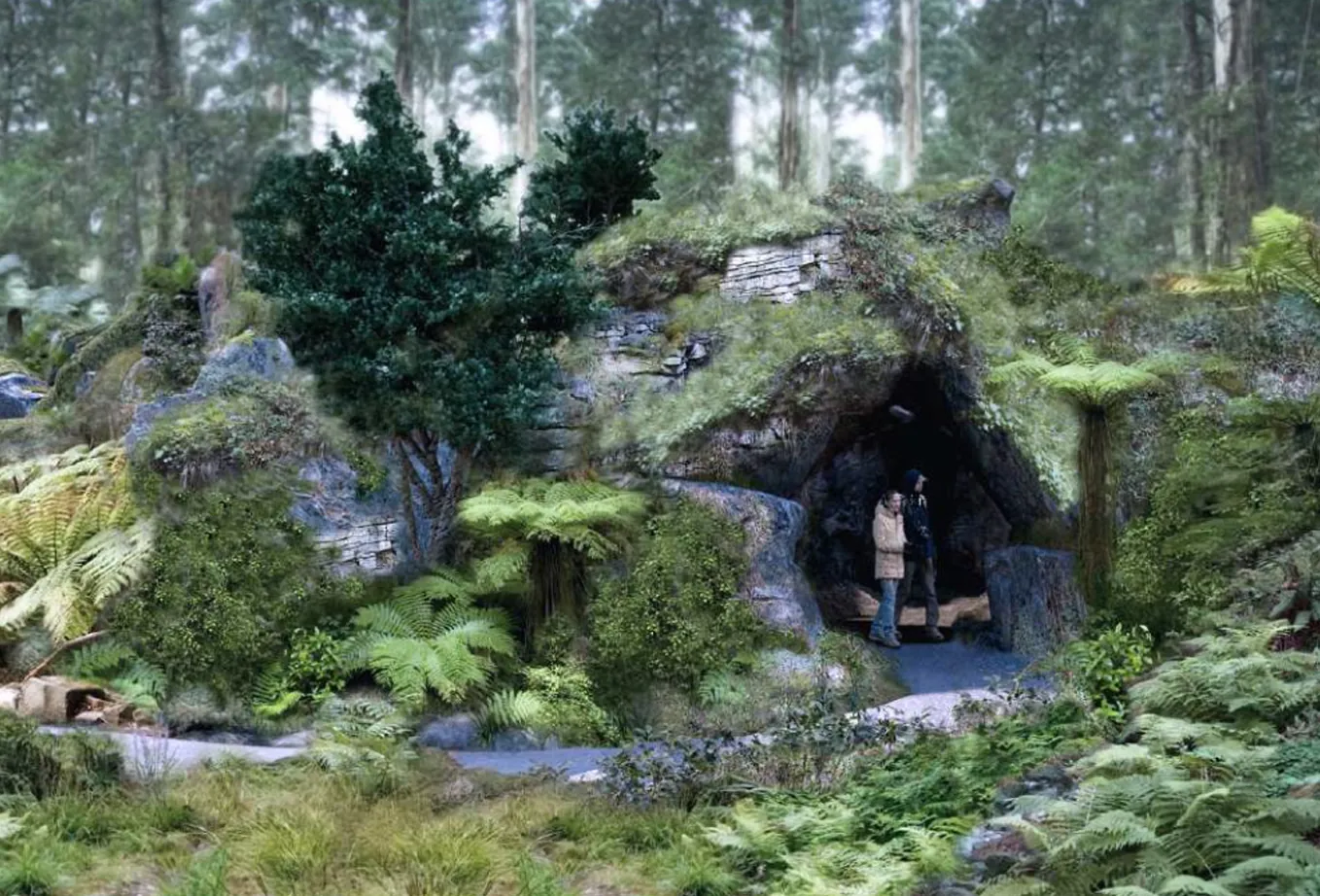
A sustainable solution
- ProtectThe Eco-Cave will be a safe haven for the New Zealand glowworm against anthropogenic pressure and natural environmental threats.
- AlleviateEncouraging visitation to the Eco-Cave will relieve pressure on unregulated natural cave ecosystems and the unmeetable demand for show caves.
- AdvocateThe Eco-Cave will champion the importance of nurturing New Zealand's natural habitats and fragile cave ecosystems.
“The creation and maintenance of a tourism industry in which growth does not deplete but rather preserves or enhances local stocks of economic, social, cultural or environmental capital.”
Celebrating the natural world through sustainable solutions
The Eco-Cave will allow people to connect with the natural world and experience the glowworm's bioluminescence without causing irreversible damage to the colony's prosperity, the surrounding ecosystem and the wider environment.
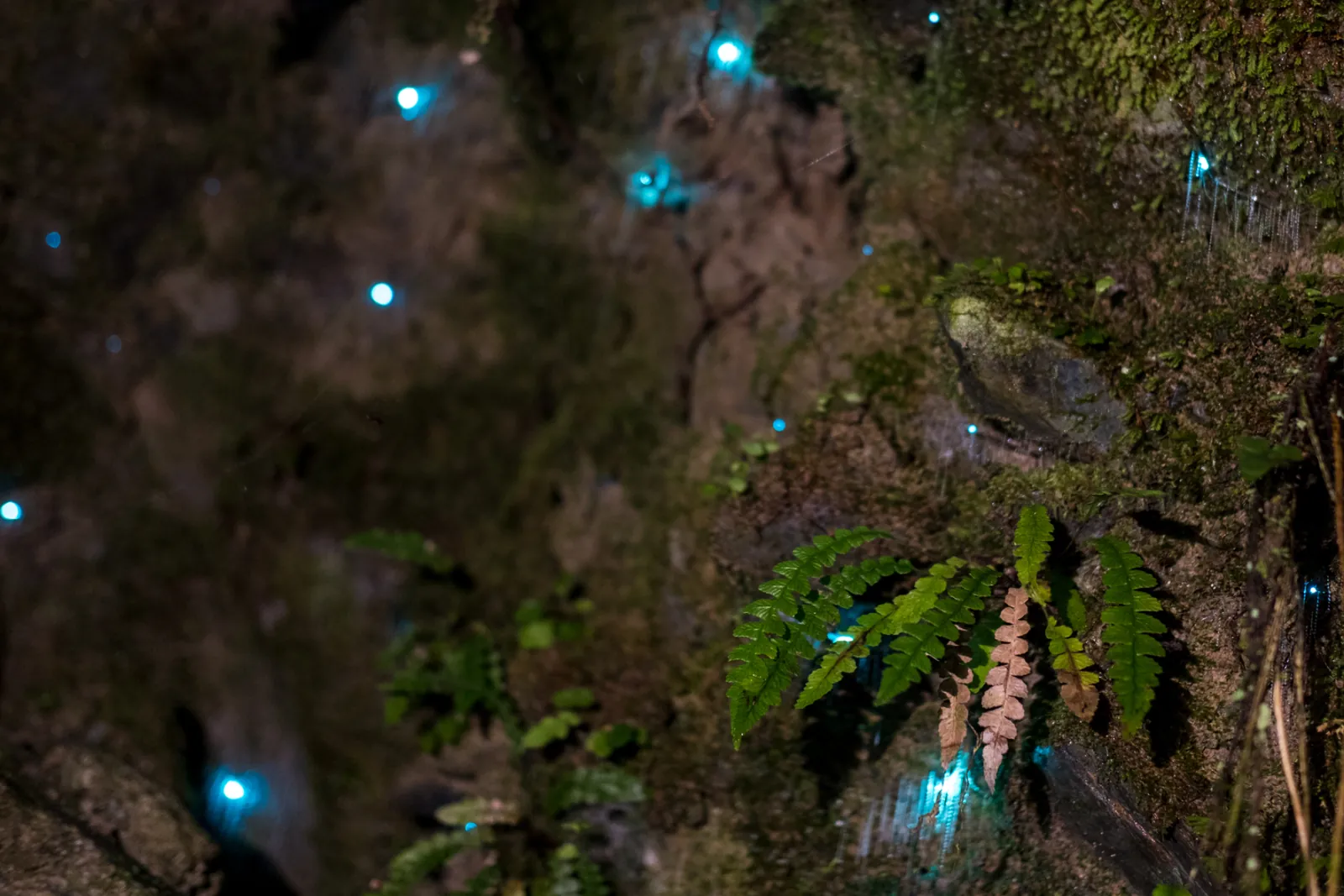
Alignment in mission
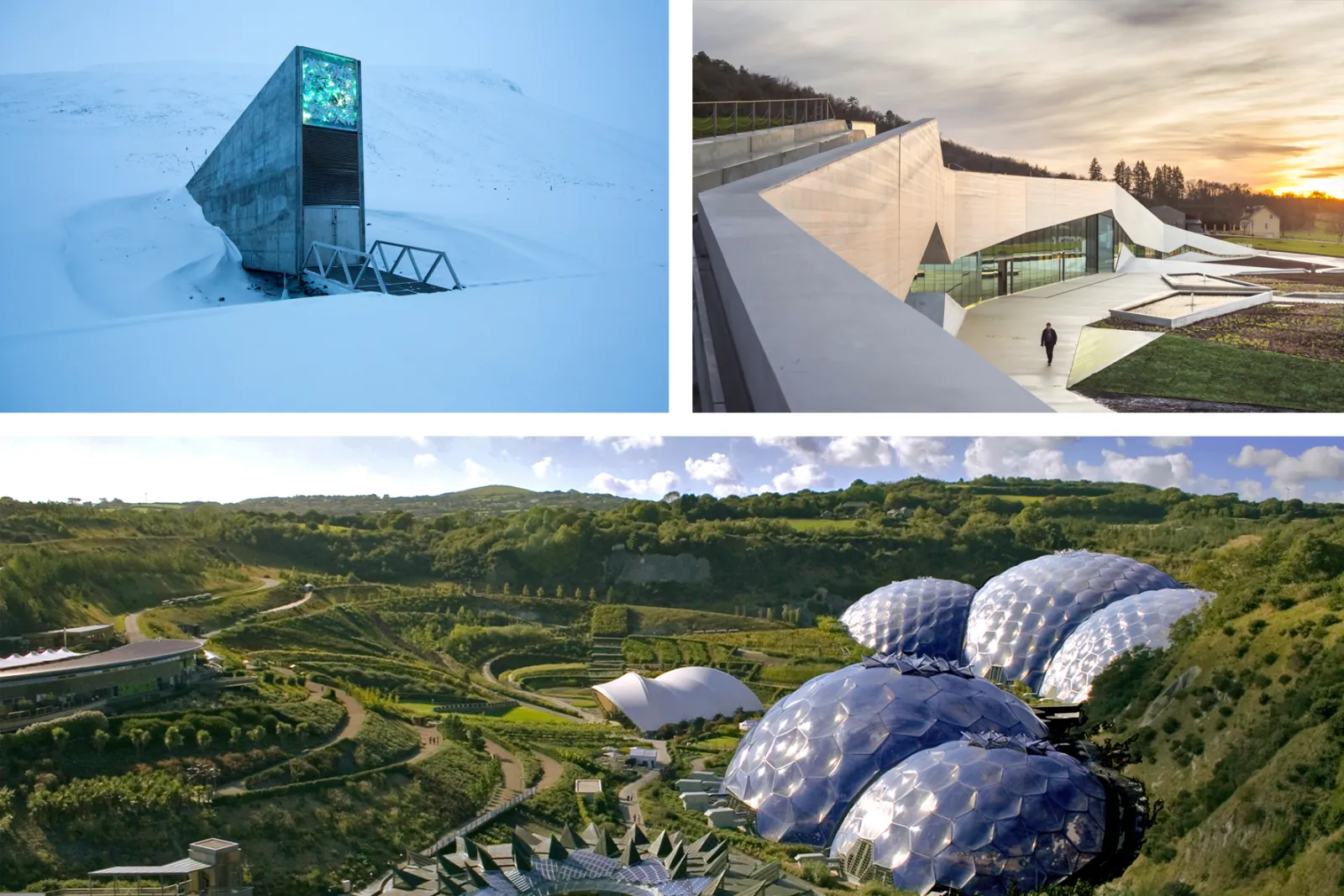
Svalbard Global Seed Vault, Norway
The Seed Vault safeguards duplicates of 1,214,827 seed samples from almost every country in the world, with room for millions more. It is a backup genebank to secure the foundation of our future food supply.
Lascaux IV, France
Opened in 2016 by President François Hollande after €66 million of investment and four years of construction, the fourth Lascaux Cave replica is celebrated globally as a breakthrough sustainable achievement.
Eden Project, United Kingdom
The Eden Project celebrates plants and the natural world, reconnects people with them and works to regenerate damaged landscapes. Cornwall Council and the European Union funded most of the £16.8m needed to start it. It received 1,010,095 visitors in 2019 and is said to have contributed over £1.7 billion to the Cornish economy.